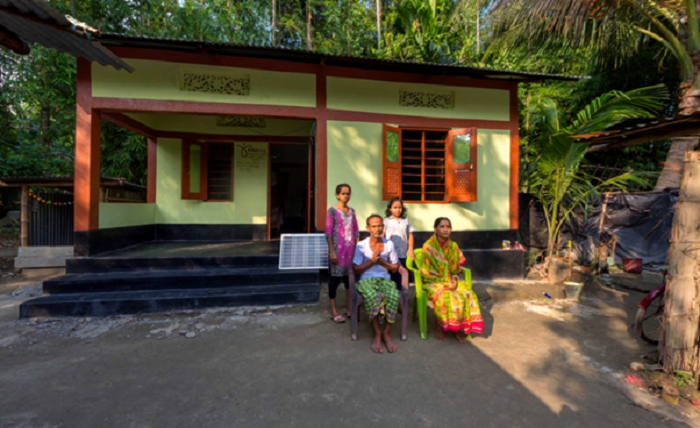
Pradhan Mantri Awas Yojana Gramin is a flagship housing initiative launched by the Government of India to ensure “Housing for All” in rural areas. Pradhan Mantri Awas Yojana Gramin focuses on providing pucca houses with basic facilities to economically weaker sections living in villages. The scheme aims to replace kutcha houses with durable homes that improve living standards and dignity for rural families.
Pradhan Mantri Awas Yojana Gramin works through a targeted identification system using socio-economic caste census data. Beneficiaries are selected based on deprivation criteria rather than random applications, ensuring that the most vulnerable households receive priority. Financial assistance is directly transferred to beneficiaries’ bank accounts, reducing corruption and delays.
Pradhan Mantri Awas Yojana Gramin Objectives
Pradhan Mantri Awas Yojana Gramin has clear objectives focused on rural development and housing security. The primary goal is to provide affordable housing to all eligible rural households who lack proper shelter. Pradhan Mantri Awas Yojana Gramin also aims to reduce homelessness and improve living conditions across remote villages.
Another major objective of Pradhan Mantri Awas Yojana Gramin is promoting inclusive development by supporting marginalized groups such as Scheduled Castes, Scheduled Tribes, minorities, and economically weaker sections. The scheme ensures equal access to housing benefits regardless of social background.
Pradhan Mantri Awas Yojana Gramin also emphasizes environmental sustainability by encouraging the use of eco-friendly construction materials and disaster-resilient housing designs. This helps rural families stay safe during floods, earthquakes, and extreme weather conditions.
Pradhan Mantri Awas Yojana Gramin Benefits
Pradhan Mantri Awas Yojana Gramin provides multiple benefits to rural households, improving their quality of life significantly. One of the key benefits is financial assistance for building new houses. Beneficiaries receive direct monetary support to construct durable homes.
Pradhan Mantri Awas Yojana Gramin also ensures access to basic facilities such as toilets, electricity, and clean cooking fuel in coordination with other government schemes. This integrated approach enhances overall rural development.
Another important benefit of Pradhan Mantri Awas Yojana Gramin is employment generation. The construction activities under the scheme create job opportunities for local laborers, masons, and construction workers in rural areas.
Additionally, Pradhan Mantri Awas Yojana Gramin promotes women empowerment by encouraging house ownership in the name of female family members or joint ownership, increasing their financial security and social status.
Pradhan Mantri Awas Yojana Gramin Eligibility Criteria
Pradhan Mantri Awas Yojana Gramin eligibility criteria are designed to ensure that assistance reaches the most deserving families. Households living in kutcha houses with no proper shelter are the primary beneficiaries.
Pradhan Mantri Awas Yojana Gramin prioritizes families identified under the Socio-Economic and Caste Census (SECC) database. These families are selected based on deprivation indicators such as lack of land, income source, or permanent housing.
Pradhan Mantri Awas Yojana Gramin also includes categories such as Scheduled Castes, Scheduled Tribes, minorities, widows, disabled persons, and homeless individuals. However, individuals owning a pucca house or having high income are generally excluded from the scheme.
The eligibility verification process under Pradhan Mantri Awas Yojana Gramin is conducted by local authorities such as Gram Panchayats to ensure transparency and accuracy in beneficiary selection.
Pradhan Mantri Awas Yojana Gramin Application Process
Pradhan Mantri Awas Yojana Gramin application process is simple and primarily handled at the village level. Eligible individuals do not always need to apply online directly, as many beneficiaries are automatically selected from government databases.
Pradhan Mantri Awas Yojana Gramin applications can also be submitted through Common Service Centres (CSCs) where officials assist in filling out forms and verifying documents. This helps rural citizens who may not have internet access.
After submission, Pradhan Mantri Awas Yojana Gramin applications are verified by Gram Panchayat officials and Block Development Officers. Once approved, beneficiaries are added to the final list for financial assistance.
The funds under Pradhan Mantri Awas Yojana Gramin are transferred in installments directly into the beneficiary’s bank account, linked with Aadhaar for transparency and fraud prevention.
Pradhan Mantri Awas Yojana Gramin Required Documents
Pradhan Mantri Awas Yojana Gramin requires a set of essential documents to verify eligibility and identity. These documents include Aadhaar card, ration card, and bank account details.
Pradhan Mantri Awas Yojana Gramin also requires income certificates and residence proof to confirm the applicant’s rural status and financial condition. These documents help authorities assess eligibility accurately.
In many cases, Pradhan Mantri Awas Yojana Gramin documentation is verified through government databases, reducing the need for repeated paperwork. However, local authorities may still request physical copies for cross-checking.
Proper submission of documents under Pradhan Mantri Awas Yojana Gramin ensures faster approval and timely release of housing assistance funds.
Pradhan Mantri Awas Yojana Gramin Impact and Challenges
Pradhan Mantri Awas Yojana Gramin has created a significant positive impact on rural housing development across India. Millions of families have received permanent homes, improving their living conditions and social dignity.
Pradhan Mantri Awas Yojana Gramin has also contributed to rural infrastructure development by increasing demand for construction materials and skilled labor. This has boosted local economies in many regions.
However, Pradhan Mantri Awas Yojana Gramin faces certain challenges such as delays in fund distribution, land availability issues, and difficulties in reaching remote areas. In some cases, beneficiary identification errors also occur.
Despite these challenges, Pradhan Mantri Awas Yojana Gramin continues to evolve with improved digital systems and monitoring mechanisms to ensure better transparency and efficiency.
Conclusion
Pradhan Mantri Awas Yojana Gramin plays a crucial role in transforming rural housing in India by providing affordable, durable, and safe homes to millions of families. Pradhan Mantri Awas Yojana Gramin strengthens rural infrastructure and supports inclusive development.
With continued government support and improved implementation, Pradhan Mantri Awas Yojana Gramin is expected to further reduce homelessness and enhance the quality of life in rural communities across the country.
FAQs
Pradhan Mantri Awas Yojana Gramin
Pradhan Mantri Awas Yojana Gramin is a government housing scheme aimed at providing permanent houses to rural families living in poor conditions.
Pradhan Mantri Awas Yojana Gramin
Pradhan Mantri Awas Yojana Gramin beneficiaries are selected mainly through SECC data and verified by local government authorities.
Pradhan Mantri Awas Yojana Gramin
Pradhan Mantri Awas Yojana Gramin provides financial assistance in installments directly to the beneficiary’s bank account.
Pradhan Mantri Awas Yojana Gramin
Pradhan Mantri Awas Yojana Gramin eligibility includes rural households without pucca houses and economically weaker sections.
Pradhan Mantri Awas Yojana Gramin
Pradhan Mantri Awas Yojana Gramin helps improve rural living standards by providing safe and durable housing facilities.