Introduction
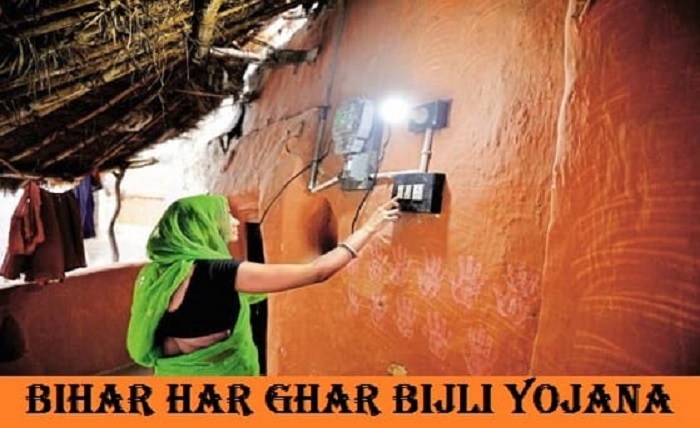
The initiative har ghar bijli refers to India’s nationwide mission to ensure electricity reaches every household, especially in rural and remote areas. The goal of har ghar bijli is to improve living standards, support education, and boost economic development by providing reliable electricity access to all citizens. Under the leadership of Government of India, the har ghar bijli program became a major step toward universal electrification.
The har ghar bijli mission focuses on connecting unelectrified villages, improving infrastructure, and ensuring last-mile delivery of power. This initiative has transformed millions of lives by enabling access to lighting, communication, and digital services.
Background and Need for Har Ghar Bijli
The concept of har ghar bijli emerged from the long-standing challenge of energy inequality in India. Before the implementation of har ghar bijli, many rural households relied on kerosene lamps and lacked stable electricity access, which affected education, healthcare, and productivity.
The har ghar bijli program was designed to bridge this gap by focusing on rural electrification and infrastructure expansion. It addressed the need for inclusive development and ensured that even the most remote villages could benefit from modern electricity access.
Objectives of Har Ghar Bijli Scheme
The primary objectives of har ghar bijli include providing electricity connections to every household, improving rural infrastructure, and reducing dependency on traditional fuel sources. The har ghar bijli mission also aims to promote economic growth by supporting small businesses and agriculture through reliable power supply.
Another important goal of har ghar bijli is to enhance digital connectivity in rural areas. With electricity access, people can use mobile devices, internet services, and digital platforms, contributing to a more connected society.
Implementation Strategy of Har Ghar Bijli
The implementation of har ghar bijli involved large-scale planning, infrastructure development, and coordination between central and state governments. The har ghar bijli program focused on identifying unelectrified households, installing new power lines, and upgrading existing grids.
Under har ghar bijli, special attention was given to remote and difficult terrains where electricity access was previously limited. Mobile camps, village surveys, and digital tracking systems were used to ensure transparency and efficiency in the har ghar bijli rollout process.
Benefits of Har Ghar Bijli for Rural India
The har ghar bijli initiative has brought significant benefits to rural India. One of the most important impacts of har ghar bijli is improved education, as students can study at night using electric lighting instead of kerosene lamps.
The har ghar bijli program has also improved healthcare services by enabling the use of medical equipment in rural clinics. Small businesses and farmers have benefited from har ghar bijli as electricity allows better productivity, irrigation, and storage facilities.
Additionally, har ghar bijli has contributed to better communication, as households can now use mobile phones, televisions, and internet services more effectively.
Challenges Faced in Har Ghar Bijli Implementation
Despite its success, the har ghar bijli program faced several challenges. One major issue in har ghar bijli implementation was the difficulty of reaching remote and geographically isolated regions. Poor infrastructure and tough terrain slowed down progress in some areas.
Another challenge in har ghar bijli was ensuring consistent power supply. While connections were provided, maintaining uninterrupted electricity remained a concern in certain regions under har ghar bijli.
Financial constraints, maintenance issues, and awareness gaps also affected the full potential of har ghar bijli, requiring continuous government intervention.
Impact of Har Ghar Bijli on Economic Development
The har ghar bijli scheme has played a crucial role in boosting economic development across rural India. With electricity access under har ghar bijli, new small-scale industries and cottage businesses have emerged, creating employment opportunities.
Agricultural productivity has also improved due to har ghar bijli, as farmers can now use electric pumps and irrigation systems. The har ghar bijli initiative has further supported digital entrepreneurship and online education in rural areas.
Overall, har ghar bijli has contributed significantly to reducing poverty and improving rural livelihoods by enabling sustainable development.
Future Prospects of Har Ghar Bijli
The future of har ghar bijli lies in strengthening infrastructure, integrating renewable energy, and ensuring 24/7 power supply. The next phase of har ghar bijli focuses on smart grids and solar energy integration to make electricity more sustainable and efficient.
With advancements in technology, har ghar bijli is expected to support smart villages where digital services, e-governance, and automation become common. The long-term vision of har ghar bijli is not just electrification but energy security for all citizens.
Conclusion
The har ghar bijli initiative represents a major milestone in India’s development journey. By ensuring electricity access to every household, har ghar bijli has improved education, healthcare, and economic opportunities across rural regions. Under the guidance of Government of India, the har ghar bijli mission continues to evolve toward a more sustainable and inclusive energy future.
The success of har ghar bijli shows how infrastructure development can transform society and reduce inequality. With continued efforts, har ghar bijli will remain a key driver of rural empowerment.
FAQs
1. What is Har Ghar Bijli?
The har ghar bijli scheme is a government initiative aimed at providing electricity to every household in India, especially in rural areas.
2. Who launched the Har Ghar Bijli program?
The har ghar bijli initiative was implemented by the Government of India to achieve universal electrification.
3. What are the benefits of Har Ghar Bijli?
The har ghar bijli program improves education, healthcare, communication, and economic opportunities in rural regions.
4. Is Har Ghar Bijli available in all villages?
The har ghar bijli mission has achieved near-universal coverage, but some maintenance and supply issues still exist in certain areas.
5. What is the future of Har Ghar Bijli?
The future of har ghar bijli includes renewable energy integration, smart grids, and ensuring uninterrupted electricity supply nationwide.