The Rise of Asian Football Powerhouses
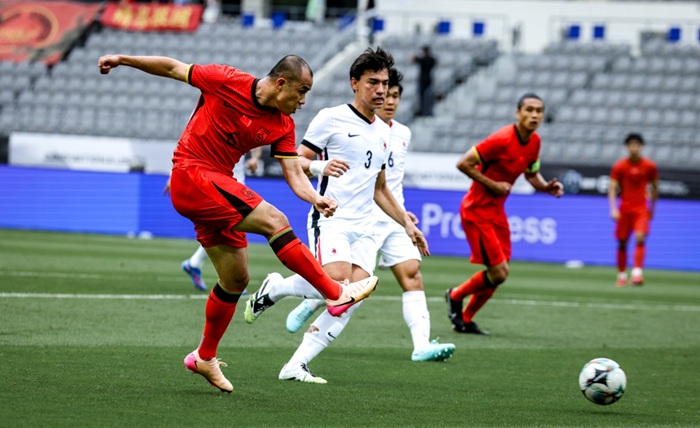
Asian football has experienced remarkable growth over the past few decades, transforming from a developing region into a highly competitive force on the global stage. Countries across Asia have invested heavily in youth academies, professional leagues, and coaching development programs. As a result, many national teams have gained international recognition and consistently perform well in continental and world competitions. Football fans who follow major tournaments often discuss these elite teams while exploring platforms such as 789bet com for sports-related information and updates.
Key Factors Behind Their Success
- Strong youth development systems.
- Improved domestic football leagues.
- Increased investment in coaching education.
- Greater participation in international competitions.
- Enhanced sports science and player conditioning.
The rise of these football powerhouses reflects a long-term commitment to excellence and a desire to compete with the world’s best teams.
Japan and the Legacy of Technical Excellence
Japan has long been considered one of Asia’s strongest football nations. Known for technical discipline, tactical intelligence, and consistent player development, the Japanese national team has become a regular participant in the FIFA World Cup. The country has produced numerous talented players who have succeeded both domestically and in top European leagues.
Legendary figures such as Hidetoshi Nakata helped elevate Japan’s global reputation, while modern stars continue to build on that legacy. Coaches have also played an essential role in shaping Japan’s football philosophy, emphasizing teamwork, discipline, and adaptability.
Notable Strengths of Japan
- Excellent technical training programs.
- Strong football culture at youth levels.
- Successful professional league structure.
- Consistent World Cup appearances.
- Ability to develop internationally competitive players.
Japan’s commitment to continuous improvement has made it one of the most respected teams in Asian football history.
South Korea and Its Tradition of Competitive Spirit
South Korea has established itself as a football giant through determination, physical fitness, and tactical discipline. The nation’s most famous achievement came during the 2002 FIFA World Cup, where the team reached the semifinals and captured global attention.
Legendary players such as Park Ji-sung demonstrated exceptional professionalism and became role models for future generations. South Korea has also benefited from experienced coaches who have implemented modern strategies and maintained high performance standards.
Reasons for South Korea’s Success
- Strong work ethic among players.
- Effective talent identification systems.
- High levels of fitness and endurance.
- Competitive domestic football environment.
- Consistent international tournament participation.
The country’s football culture continues to inspire young athletes and strengthen its position among Asia’s elite teams.
Saudi Arabia and the Influence of Regional Dominance
Saudi Arabia has been one of the most successful football nations in the Middle East. The team has achieved multiple continental titles and has represented Asia at several World Cups. Their success stems from strong domestic clubs, passionate fan support, and continuous investment in football development.
Many legendary Saudi players have contributed to memorable victories and historic tournament campaigns. Experienced coaches have also helped the team adapt to changing football trends while preserving its competitive identity.
Elements That Define Saudi Arabia’s Football Success
- Deep pool of talented players.
- Strong domestic league structure.
- Significant financial investment in football.
- Experienced coaching leadership.
- Consistent presence in major tournaments.
Saudi Arabia remains an important force in Asian football and continues to influence the region’s competitive landscape.
Iran and Its Rich Football Heritage
Iran possesses one of the richest football traditions in Asia. The national team has consistently ranked among the continent’s strongest sides and has produced generations of highly skilled players. Iranian football is known for technical ability, resilience, and tactical awareness.
Several legendary players have become national icons through outstanding performances in international competitions. Coaches have helped maintain a balanced approach that combines defensive organization with creative attacking play.
Characteristics of Iran’s Football Identity
- Strong football culture and history.
- Technically gifted players.
- Competitive domestic competitions.
- Passionate support from fans.
- Regular qualification for major tournaments.
Iran’s sustained success demonstrates the strength of its football infrastructure and commitment to excellence.
Australia and the Impact of Modern Football Development
Although Australia originally competed in a different confederation, its move into Asian football significantly raised the competitive level of regional tournaments. The national team has consistently challenged top Asian nations and achieved impressive results on the international stage.
Australian football has benefited from experienced coaches, advanced training facilities, and a professional development pathway for players. Many football supporters who follow major Asian competitions frequently search for match insights through resources associated with 789bet dang nhap during important tournament periods.
Advantages of Australia’s Football System
- Modern coaching methodologies.
- Strong focus on physical preparation.
- Well-structured player development programs.
- International experience across multiple competitions.
- High standards of professionalism.
Australia’s presence has added depth and quality to Asian football while creating exciting rivalries across the continent.
Legendary Players and Coaches Who Shaped Asian Football
The history of Asian football cannot be discussed without recognizing the individuals who transformed the game. Legendary players inspired millions through their skill, leadership, and determination. Equally important were the coaches who introduced innovative tactics and fostered winning mentalities.
From visionary managers to iconic captains, these figures elevated their national teams and left lasting impacts on future generations. Their achievements helped increase the global respect given to Asian football.
Contributions of Legendary Football Figures
- Raising international awareness of Asian football.
- Inspiring youth participation and development.
- Introducing modern tactical approaches.
- Creating winning cultures within teams.
- Strengthening national football identities.
Their influence continues to be felt across clubs, academies, and national programs throughout Asia.
Why These Legendary Asian Football Teams Continue to Inspire Future Generations and Shape the Global Football Landscape
The best Asian football teams have earned their status through years of dedication, strategic planning, and exceptional performances. Nations such as Japan, South Korea, Saudi Arabia, Iran, and Australia have demonstrated that sustained success comes from investing in players, coaches, and long-term development systems. Their legendary football figures have inspired countless young athletes to pursue excellence and represent their countries with pride.
Lasting Lessons from Asia’s Greatest Teams
- Commitment to long-term development produces results.
- Strong leadership creates successful team cultures.
- Investment in youth football ensures future growth.
- Tactical innovation helps teams remain competitive.
- National pride motivates players to achieve greatness.
As football continues to evolve, these teams remain powerful examples of what can be achieved through vision, hard work, and determination. Their accomplishments have not only strengthened Asian football but have also contributed significantly to the growth and recognition of the sport around the world.