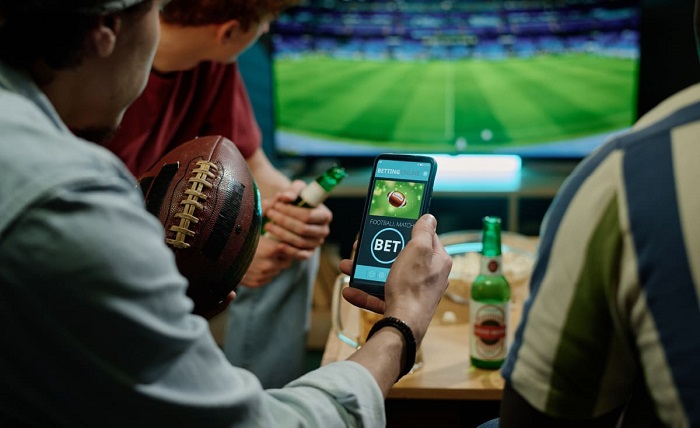
Sports betting apps have become a significant part of the digital entertainment landscape across the Gulf region. One key driver behind that growth is the rise of platforms that offer a fully localized Arabic-language experience — covering everything from menu translations to regional sports coverage and locally relevant payment options. Among the platforms users in the region search for when looking for an Arabic-language sports app, queries such as تحميل1xbet بالعربية reflect the demand for localized interfaces and regional coverage. The shift signals a wider trend: mobile sports services are no longer a one-size-fits-all product, and Arabic-speaking audiences now expect the same quality of experience that English-language users have enjoyed for years.
Why Arabic Localization Matters for Mobile Betting Platforms
Arabic localization is not a cosmetic upgrade. It changes how an app behaves at a structural level. A right-to-left (RTL) interface affects layout, menus, navigation, and the way numerical data and live scores appear on screen. Without proper RTL support, users face awkward reading flows and broken visual hierarchies that quickly erode trust.
Language is just one layer. Real localization also means Arabic-speaking customer support, locally relevant content, and coverage of sporting events that matter to MENA audiences — regional football leagues, Asian Cup competitions, and continental tournaments that global platforms often deprioritize.
Payments form another differentiator. Apps adapted to the region typically support local payment methods alongside international options, reducing friction at the exact point where many users decide whether to keep using the service or look elsewhere.
What Users in the Region Look for When Downloading a Sports App
For most expats and locals across the Gulf, the decision to install a sports app comes down to a fairly consistent set of practical priorities. App store reviews and community forums surface a recognizable pattern of expectations:
- A clean Arabic UI with proper RTL layout, not a half-translated menu.
- Coverage of local and regional football leagues alongside European competitions.
- Real-time live scores, statistics, and match updates with minimal delay.
- Fast APK download options for users who prefer alternatives to default app stores.
- iOS and Android compatibility with consistent performance across both platforms.
- Customer support available in Arabic, not only in English.
- Stable streaming or live-tracker features during peak match hours.
- Transparent information about the developer, version history, and update cycle.
These priorities reflect a practical mindset. Users in the region want the experience to feel native, not bolted on as an afterthought.
The Responsible Side of Sports Betting Apps
The conversation around sports betting apps cannot stop at features and localization. There is a mathematical reality behind these platforms that users deserve to see clearly. Betting platforms statistically maintain a mathematical edge over users in the long run, which is built into the structure of the odds and the design of casino-style games. That is not a flaw in any particular app — it is how the model works.
For that reason, it makes sense to treat betting apps strictly as entertainment, set personal financial limits before opening the app, and avoid relying on them as a source of income. Discipline carries more weight than any single prediction, and one of the most useful habits is keeping an entertainment budget cleanly separated from essential funds.
There are practical safety considerations as well. Users should verify the source of any APK download, review the permissions an app requests, and stay away from pages that promise unrealistic outcomes or rely on aggressive marketing language. A platform worth using usually provides clear version information, transparent contact details, and visible responsible-gaming tools such as deposit limits, time reminders, and self-exclusion options.
Looking Ahead
The momentum behind Arabic-language betting apps in the Gulf region reflects a broader shift in how digital entertainment is being designed for the MENA market. Audiences are no longer satisfied with English-built products dressed up with a translated menu. They expect properly localized experiences that respect the language, the rhythm of regional sports, the available payment ecosystem, and the cultural context. Platforms that take that seriously tend to stand out, while those that cut corners fade from user attention quickly. For users, the most useful approach combines that improving experience with a clear-eyed understanding of risk — keeping the entertainment side of any app firmly separate from anything that matters to personal finances.